aerospace Jan 29
Key Definitions
Aerospace refers to the science and technology of flight, both within Earth’s atmosphere and in outer space.
- How aviation and spaceflight developed over time
- How the core flight forces (lift, drag, thrust, weight) works
2 main branches
- Aeronautics: flight inside the atmosphere
- Astronautics: flight beyond the atmosphere
Three principles of flight
Floating on air by being lighter
Push air down
Push something else down (Soil fuel rocket, Liquid fuel rocket)
Core Concepts
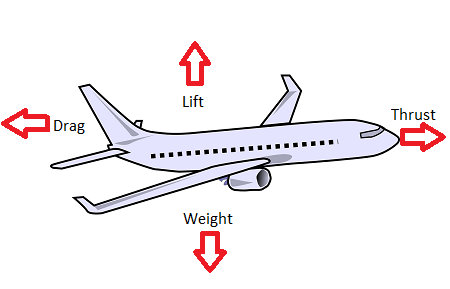
Lift vs. weight
- For flight, lift must overcome weight.
Thrust vs. Drag - Thrust provided by engine must overcome drag (e.g., air resistance)
Drag management - Better streamlining allows higher speed and efficiency.
Thrust production
Advances in engines (especially jets and rockets) directly expand capability.
Canard vs. conventional tailplane
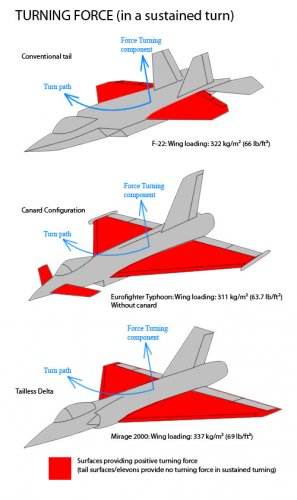
Wright Brothers and Pitch Control
Around 1900, the main challenge was was keeping it under control once airborne. Early airplanes could generate lift, but extremely unstable.
The Wright brothers believed an airplane should be controlled like a bicycle, actively and continuously by the pilot. For this reason, they chose to place the control surface at the front.
By moving the front surface up or down, they could directly adjust the aircraft’s pitch.
Natural Stability of the Conventional Tail
In a conventional aircraft layout, the center of gravity is typically located near the front portion of the main wing, while the horizontal stabilizer is placed at the rear. The rear tail provides a balancing moment that helps maintain stability.
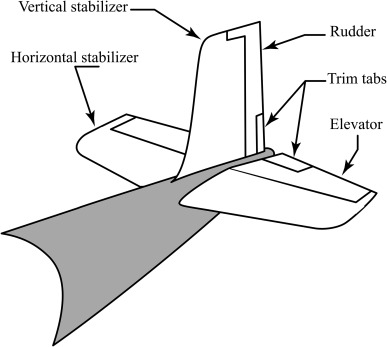
The aircraft naturally tends to return to its original angle of attack with this design
- If airflow disturbance raises the nose, the tail generates a restoring moment that pushes it back down.
- If the nose drops, the tail produces a moment that lifts it back up.
This makes the airplane more easier for pilots to control, increasing overall safety.
Engineering
Component of air-dynamics
- Wings, Stabilizer, Rudder
Empennage plays a role in controlling the drifts
Plane
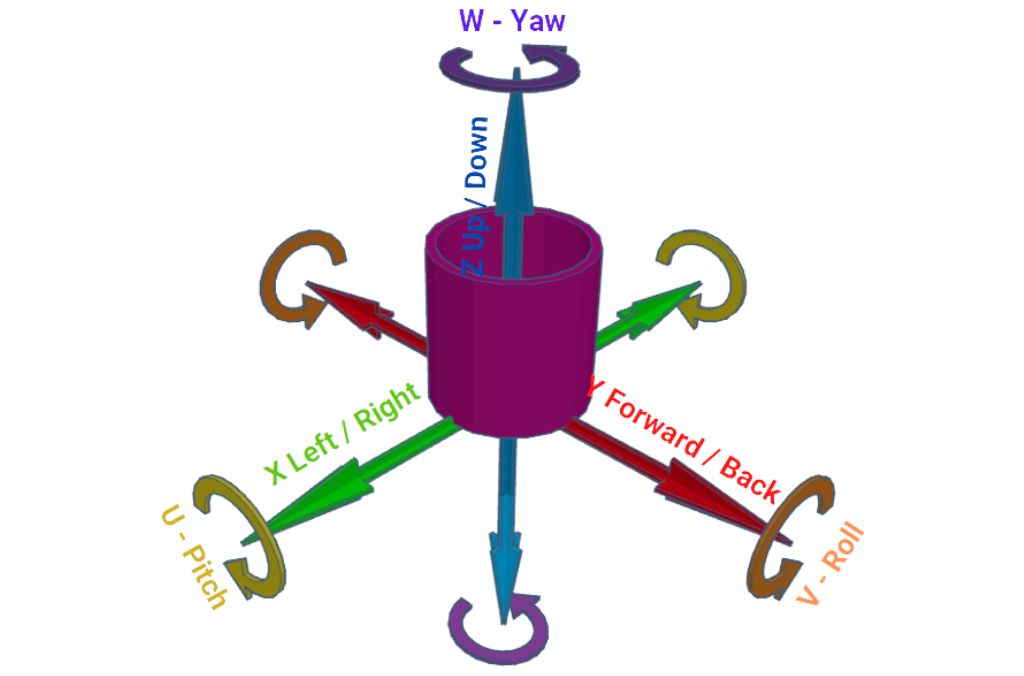
6 Degrees of freedom (x, y, z) RPY (Rotation)
- Pitch (Up/Down)
- Roll
- Yaw (Left/Right)
Car
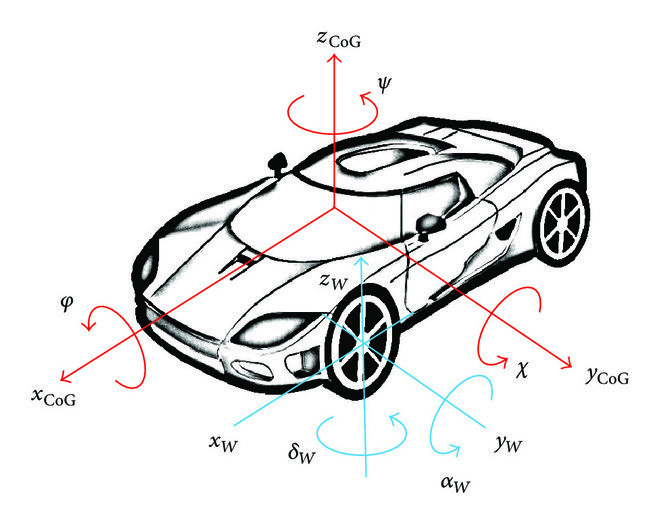
longitudinal translation (forward/backward), lateral translation (sideways/drifting), and yaw (rotation around the vertical axis)
Kinematics Foundation
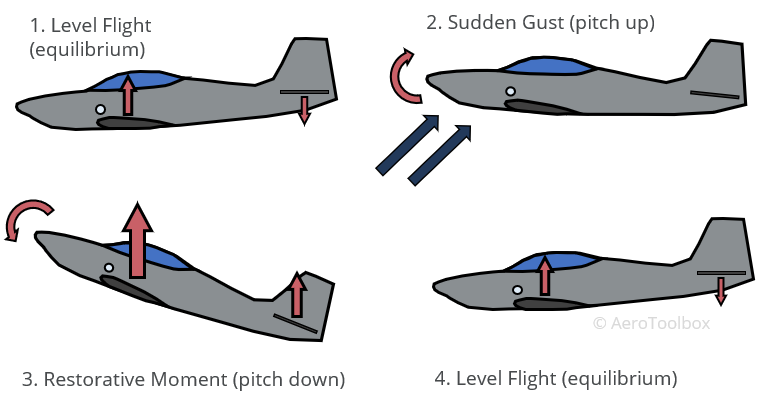
A bend changes the aerodynamic force distribution on the wing, so the aircraft experiences a torque about its center of mass.
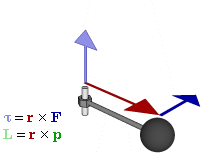
Torque
Rotational dynamics
Aircraft
- roll
- pitch
- yaw
, , - where are roll/pitch/yaw rates.
Schematic diagram of yawing
Drawing 2026-02-19 11.43.44
Link to original
Banking
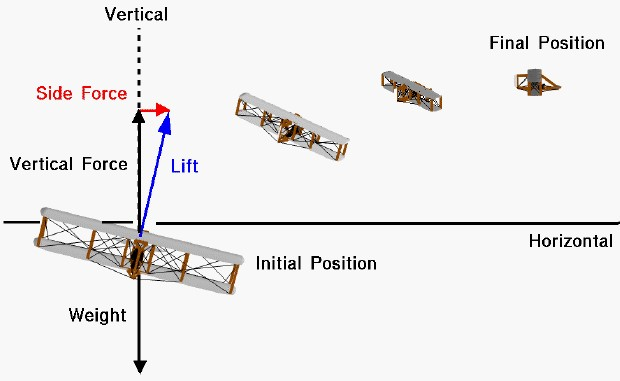
Beyond yawing, an airplane always turn it’s horizontal direction by tilting one side of the wing up a little and one side down, depending on the direction of turning.
When the plane rolls by the bank angle The lift vector tilts
Part of the lift becomes a sideways force.
Extension
- If it increases lift on one wing, it gets a roll moment
Sideways centripetal component
So the turn requirement would be
- Vertical balance
So the turn radius is roughly
Banking changes the direction of lift, so it changes the aircraft’s sideways acceleration, not just rotation.
Historical Timeline (From the sheet)
- Long before powered flight became reality, humans dreamed of flying.
- Ancient civilizations created myths about flight, and scholars studied birds to understand how flight might be possible.
- In the 1400s, Leonardo da Vinci sketched designs for flying machines called ornithopters, though none were successfully built.
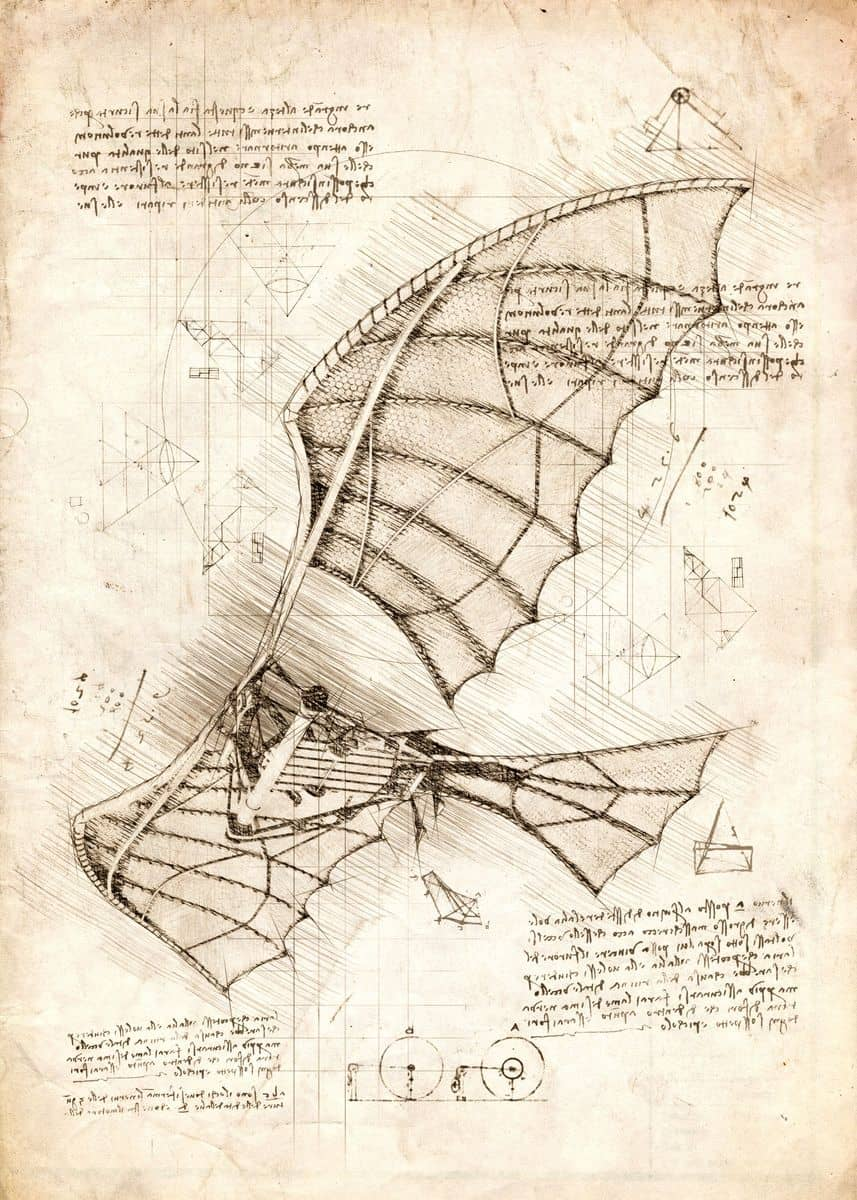
- In the 1700s, scientists began to understand the basic principles of flight.
- Sir George Cayley, a British engineer, identified lift, drag, thrust, and weight as separate forces acting on a flying object.
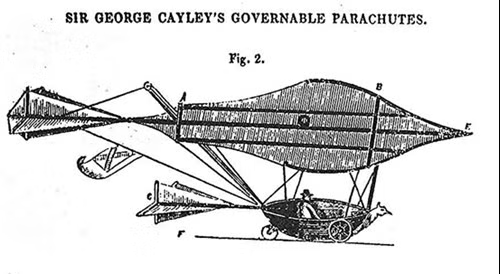
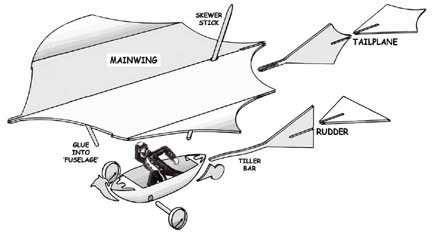
- In 1799, Cayley proposed the modern airplane design featuring fixed wings and a separate propulsion system.
- On December 17, 1903, Orville and Wilbur Wright achieved the first successful powered flight at Kitty Hawk, North Carolina.
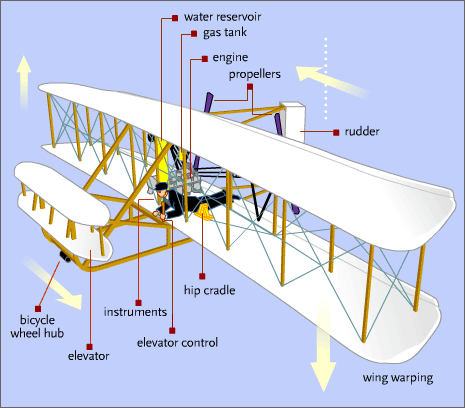
- Their aircraft, known as the Flyer, flew for 12 seconds and traveled approximately 120 feet.
- During World War I from 1914 to 1918, airplanes were used for reconnaissance and combat, which accelerated innovation and improved aircraft speed, reliability, and maneuverability.
- World War II, from 1939 to 1945, dramatically accelerated aerospace development.
- In 1957, the Soviet Union launched Sputnik, the first artificial satellite to orbit Earth, initiating the Space Race between the Soviet Union and the United States.
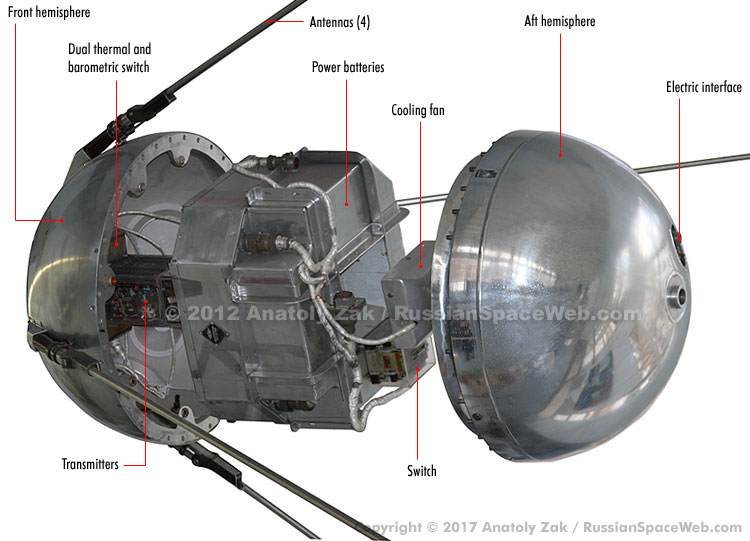
- In response, the United States established NASA, the National Aeronautics and Space Administration.
- In 1969, the United States achieved a historic milestone when Neil Armstrong became the first human to walk on the Moon during the Apollo 11 mission.
- Since the 1970s, aerospace technology has continued to evolve.
- The Space Shuttle program introduced reusable spacecraft, and satellites became essential tools for modern life by providing GPS, weather forecasting, and global communication.
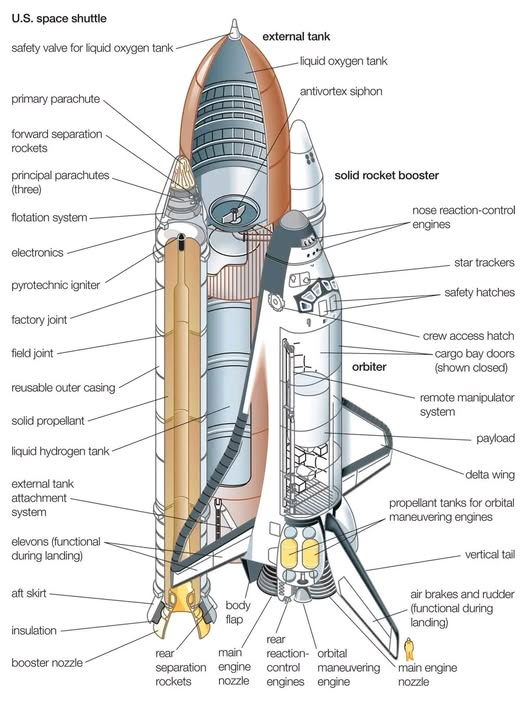
- The future of aerospace continues to expand and innovate…